WEAR & TEAR
DOESN'T MEAN PAIN.
"Degenerative disc disease" is one of the scariest-sounding diagnoses a patient can be handed — and one of the most misunderstood. Here's the reassuring reality: it's not a disease, and having it doesn't sentence you to a life of pain. At Envision Chiropractic in Bellingham, we help patients manage it and stay active.
What Degenerative Disc Disease Really Is
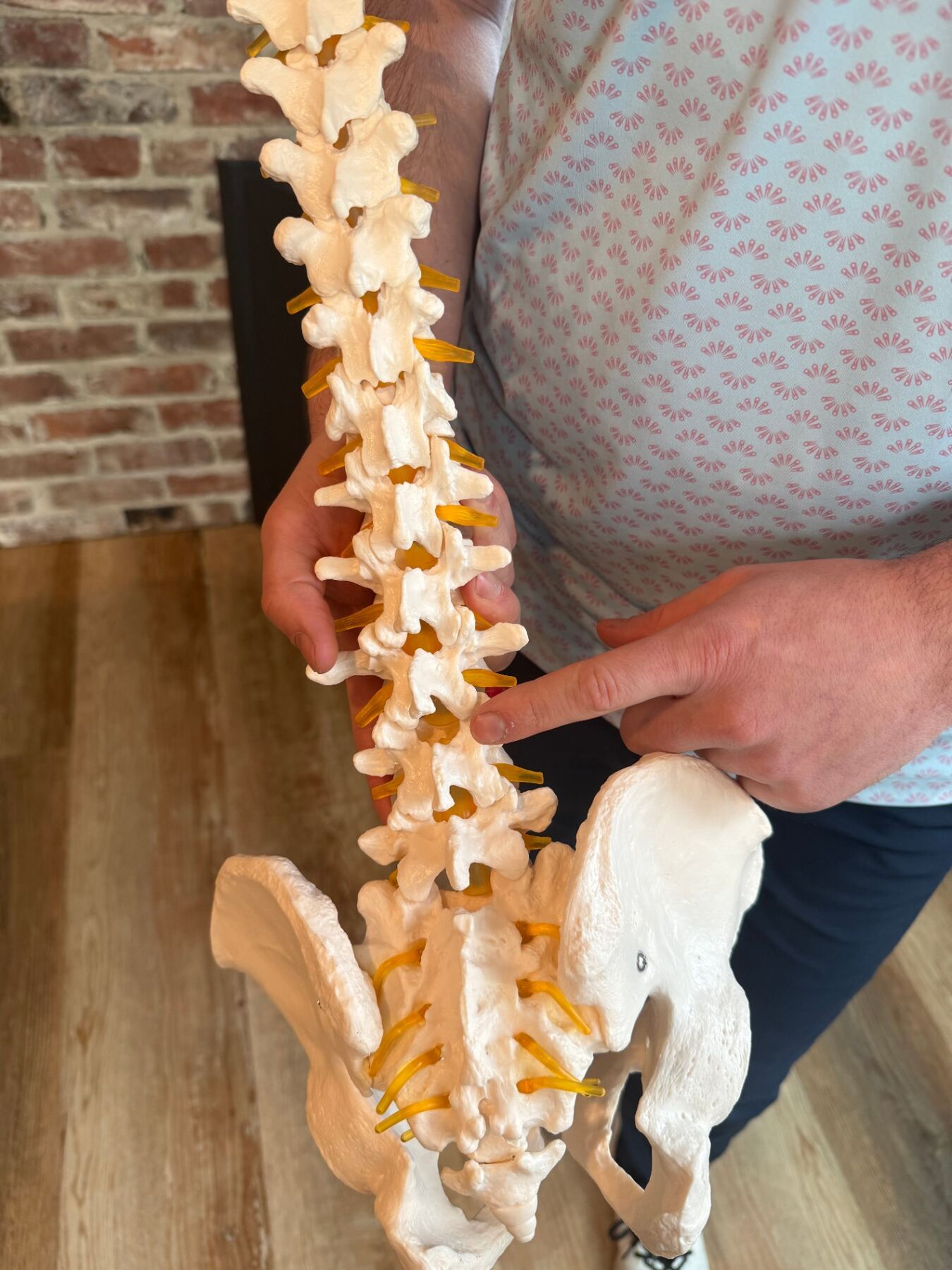
DDD is simply the medical term for the natural changes your discs go through as you age — they lose some water content, thin out, and become less flexible. Nearly everyone develops some degeneration over time. In fact, plenty of people have significant disc wear on their X-rays and no pain at all. That's the key insight: degeneration on imaging and pain are two different things.
Why It Sometimes Hurts
When DDD does cause symptoms, it's usually because the worn segment moves poorly, irritates nearby tissues, or lets a disc bulge or herniate. Typical symptoms:
- Low-grade back or neck pain that flares periodically
- Stiffness, especially in the morning or after sitting
- Pain that worsens with bending, sitting, or twisting
- Occasional radiating pain if a nerve gets involved
How We Help
- Keep it moving. Adjustments maintain healthy motion in the affected segments.
- Relieve pressure with decompression when discs are bulging or herniated.
- Calm flare-ups with laser therapy.
- Build durable support with postural rehab so the wear doesn't translate into daily pain.
"What really sets Dr. Dakota apart is his holistic approach — it feels like they're invested in your long-term health, not just a quick fix."
Individual results vary from patient to patient. Testimonials reflect one person’s experience and are not a promise or guarantee of any particular outcome.
Live Well With DDD
The goal isn't to reverse aging — it's to keep you moving, strong, and comfortable for the long haul. We help DDD patients across Bellingham, Lynden, and Ferndale. Start with a $47 first visit.
QUESTIONS, ANSWERED.
STAY
STRONG.
Disc wear is normal. Daily pain doesn't have to be. Book your $47 first visit.