HURTING AFTER
THE CRASH?
A car accident doesn't just hurt your neck. The force of a collision travels through your whole spine — and the neck and back pain that follows can range from a dull ache to a disc injury pressing on a nerve. At Envision Chiropractic in Bellingham, we find every injury and treat it at the source.
How A Crash Injures Your Back
The sudden deceleration of a collision strains and tears the soft tissues supporting your spine, jams the spinal joints, and can injure the discs themselves. That's why post-accident pain shows up in so many forms — and why a thorough evaluation matters more than a quick once-over.
Common Post-Accident Injuries
- Neck and upper-back muscle and ligament strain
- Lower-back pain and stiffness
- Herniated or bulging discs from the impact
- Sciatica and radiating leg pain
- Shoulder and hip pain from the seatbelt and bracing
The Delayed-Pain Trap
Here's what catches people off guard: much post-accident pain doesn't start until days after the crash. Adrenaline masks it, and inflammation builds gradually. By the time it hurts, you've lost valuable early-treatment time — and a gap in your medical record can complicate a claim. Getting checked promptly protects both your recovery and your case.
Our Approach
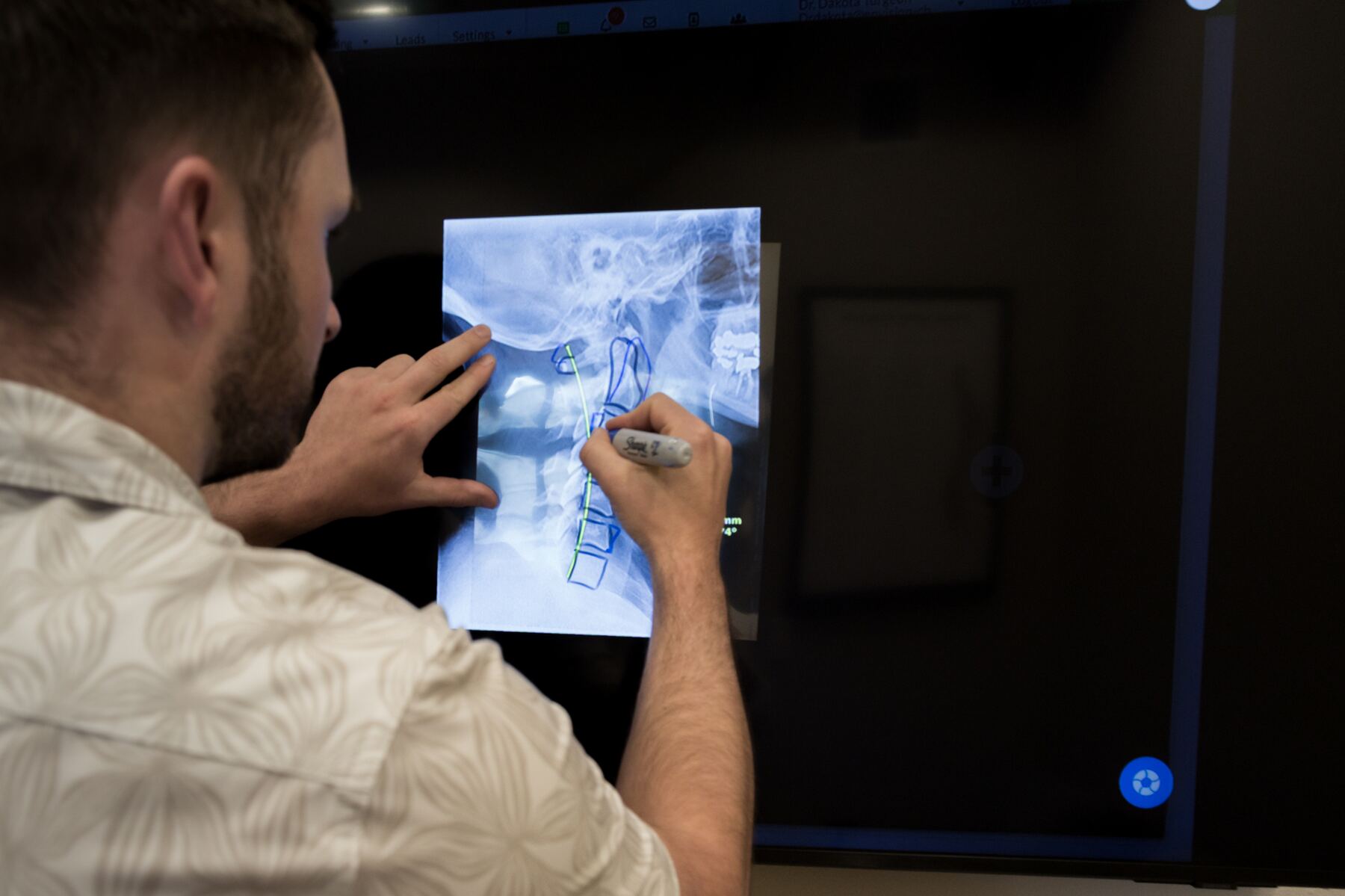
- Find every injury. A comprehensive exam and imaging pinpoint exactly what was damaged — not just where it hurts today.
- Treat the source. Adjustments, decompression for disc injuries, and laser therapy for inflammation.
- Document thoroughly. We produce the records your insurance and attorney rely on.
Don't Tough It Out
Untreated crash injuries are how a fender-bender becomes years of chronic pain. We see accident patients quickly — across Bellingham, Lynden, and Ferndale. Call (360) 996-6505.
QUESTIONS, ANSWERED.
GET A
FULL
CHECK.
Crashes hide injuries that surface days later. Book a thorough exam — (360) 996-6505.