
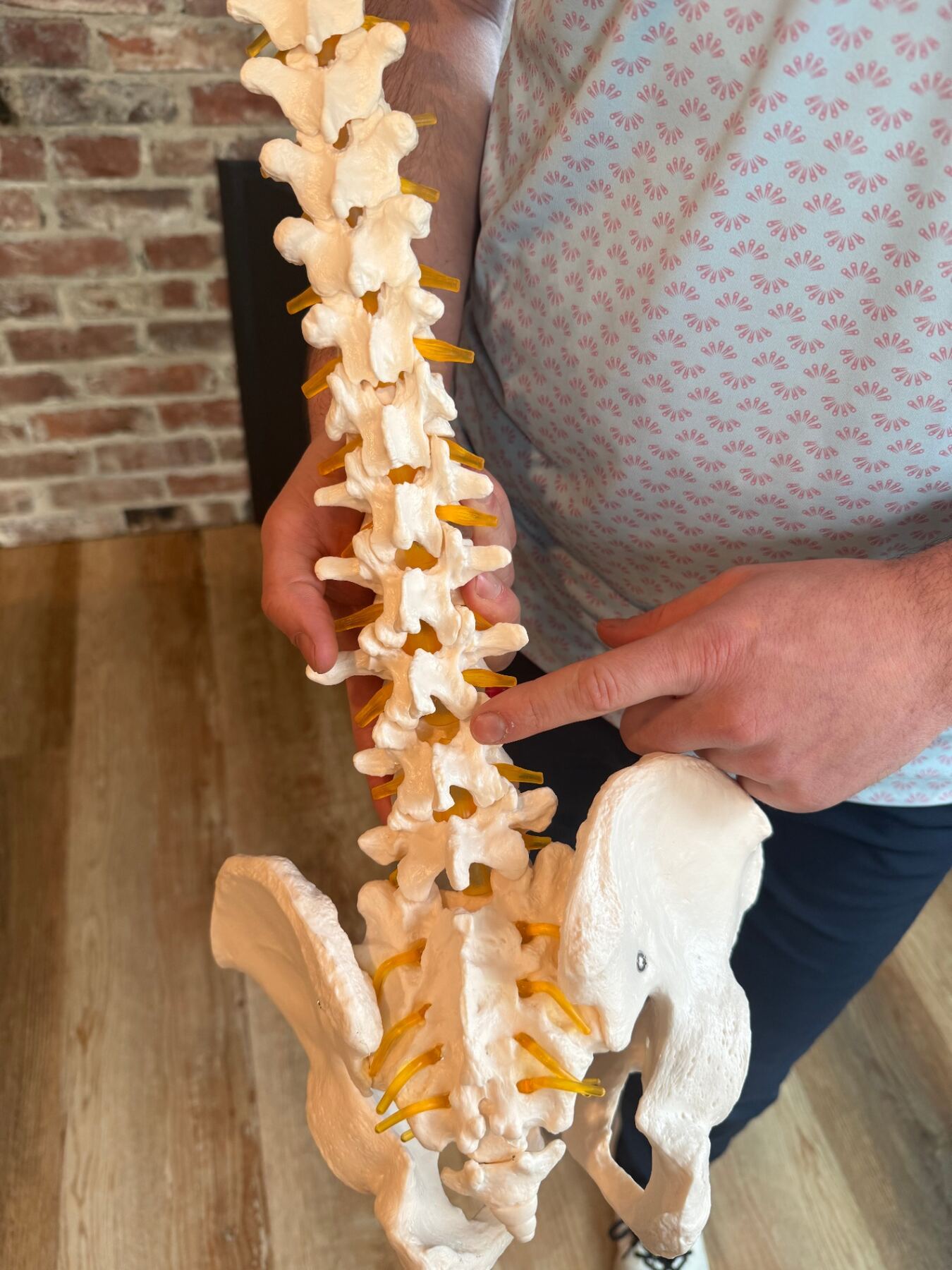
When your back is tight, massage can sound like the obvious choice. When the pain keeps returning, you may start wondering whether a joint, disc, or movement problem deserves attention too. The better question is often not “which one wins?” but “what does my back need first?”
Chiropractor vs. Massage: Side by Side
Massage therapists and chiropractors have different training and scopes of practice. The right starting point depends on your symptoms, history, preferences, and examination findings. Neither column promises a particular duration or result.
| Focus | Massage | Chiropractic |
|---|---|---|
| Best for | Muscle tension, relaxation, and soft-tissue-focused care | Evaluating joint, spinal, neurological, posture, and alignment factors |
| What a visit involves | Hands-on work on muscles and other soft tissues | History and examination, with adjustments or other care when appropriate |
| How long relief lasts | Varies by person, cause, and daily demands | Varies by findings, care plan, home habits, and individual response |
| When to choose it | When muscle tightness and relaxation are your main goals | When pain recurs, follows injury, travels into the leg, or needs a spinal examination |
A massage is not a failed treatment simply because tightness returns after another week at the same desk. Likewise, an adjustment is not automatically the answer to every episode of back pain. Matching the approach to the problem matters more than loyalty to one profession.
When Massage Makes Sense
Massage may be a good choice when your main goal is to relax tight muscles, address soft-tissue tension, or take time to downshift after a demanding period. Many people also value the quiet, dedicated time itself. If you have been pushing through work, family responsibilities, and disrupted sleep, that pause can be part of taking better care of yourself.
A massage therapist can adapt pressure and techniques to your comfort. Tell them about recent injuries, medical conditions, pregnancy, medications, or symptoms that could change what is appropriate. If your back pain comes with unexplained or worsening symptoms, seek medical guidance before treating it as ordinary muscle tension.
Massage can also complement a broader plan. Relieving muscle guarding may make movement feel more approachable, while changes to workstation setup, activity, or spinal function address other parts of the picture.
When to See a Chiropractor
Consider a chiropractic evaluation when low back pain lasts two weeks or more, keeps returning, follows an injury, or travels into the leg. Pain with numbness or tingling also deserves an appropriate assessment. These patterns do not prove that a disc or joint is responsible, but they are good reasons to stop guessing.
At Envision, Day 1 includes a consultation, examination, and X-rays if needed. Dr. Dakota reviews posture, relevant orthopedic and neurological findings, your history, and the activities affected. On Day 2, he explains the report of findings and a proposed care plan.
Care may include adjustments, corrective exercises, posture work, spinal decompression, or other options when appropriate. Recommendations depend on the examination, and no particular result is guaranteed. If the findings point outside chiropractic’s scope, referral is part of responsible care.
Red Flags: Seek Urgent Medical Care
Do not book routine massage or chiropractic care as your only response to serious warning signs. Seek urgent medical evaluation for new loss of bladder or bowel control, progressive leg weakness, fever with back pain, or numbness in the saddle region around the groin and inner thighs.
These symptoms can indicate conditions that require prompt medical assessment. Sudden severe symptoms, a major injury, or rapidly worsening neurological changes also warrant urgent attention. When in doubt, contact emergency or urgent medical services rather than waiting for a routine wellness appointment.
Using Both Together
Massage and chiropractic can work well together when each has a clear role. Massage may address soft-tissue tension and relaxation, while chiropractic evaluates spinal and joint findings and guides an appropriate care plan. Your daily habits—movement breaks, lifting, sleep, and workstation setup—still influence the demands placed on your back.
Coordination does not need to be complicated. Tell each provider what else you are doing, share relevant recommendations with permission, and notice how you respond. More appointments are not automatically better; the combination should serve a purpose you understand.
What a Widely Used Guideline Says
The American College of Physicians’ 2017 low back pain guideline recommends non-drug approaches for many patients and includes spinal manipulation and massage among the options discussed for particular types of low back pain. It does not say that one approach is best for everyone or that either replaces evaluation of warning signs.
Use the guideline as a starting point for an informed conversation, not as a self-diagnosis. Your history, symptoms, examination, preferences, and response to care all matter.
A Practical Way to Decide
If relaxation and muscle tension are the whole goal, massage may be a reasonable first step. If the problem keeps returning, has lasted at least two weeks, radiates into the leg, or started after an injury, begin with an appropriate spinal evaluation. And if any red flags are present, medical care comes first.