

"I have headaches" is where most people stop — but there are several kinds, and they don't respond to the same treatment. Knowing which one you have is the first step to actually fixing it. Here's how the three most common types compare.
Tension Headaches
Feels like: dull, aching pressure — a band tightening around the head, usually on both sides. Driven by: tight neck and shoulder muscles, posture, stress. Not: throbbing, and usually not worsened much by activity. These are the most common type and very responsive to care. Full details on our tension headache page.
Cervicogenic Headaches
Feels like: pain starting at the base of the skull and spreading forward, usually one-sided. Driven by: the joints and muscles of the neck — provoked by neck movement or sustained postures. Tell-tale: reduced neck range of motion, often tied to tech neck or an old injury. Because the source is the neck, this is the type chiropractic helps most reliably. See our cervicogenic headache page.
Migraines
Feels like: intense, often one-sided throbbing — frequently with nausea, light/sound sensitivity, or visual aura. Driven by: multiple factors, but the upper neck is a common, treatable contributor. Tell-tale: worsened by routine activity; can be disabling. More on our migraine relief page.
Why It Matters
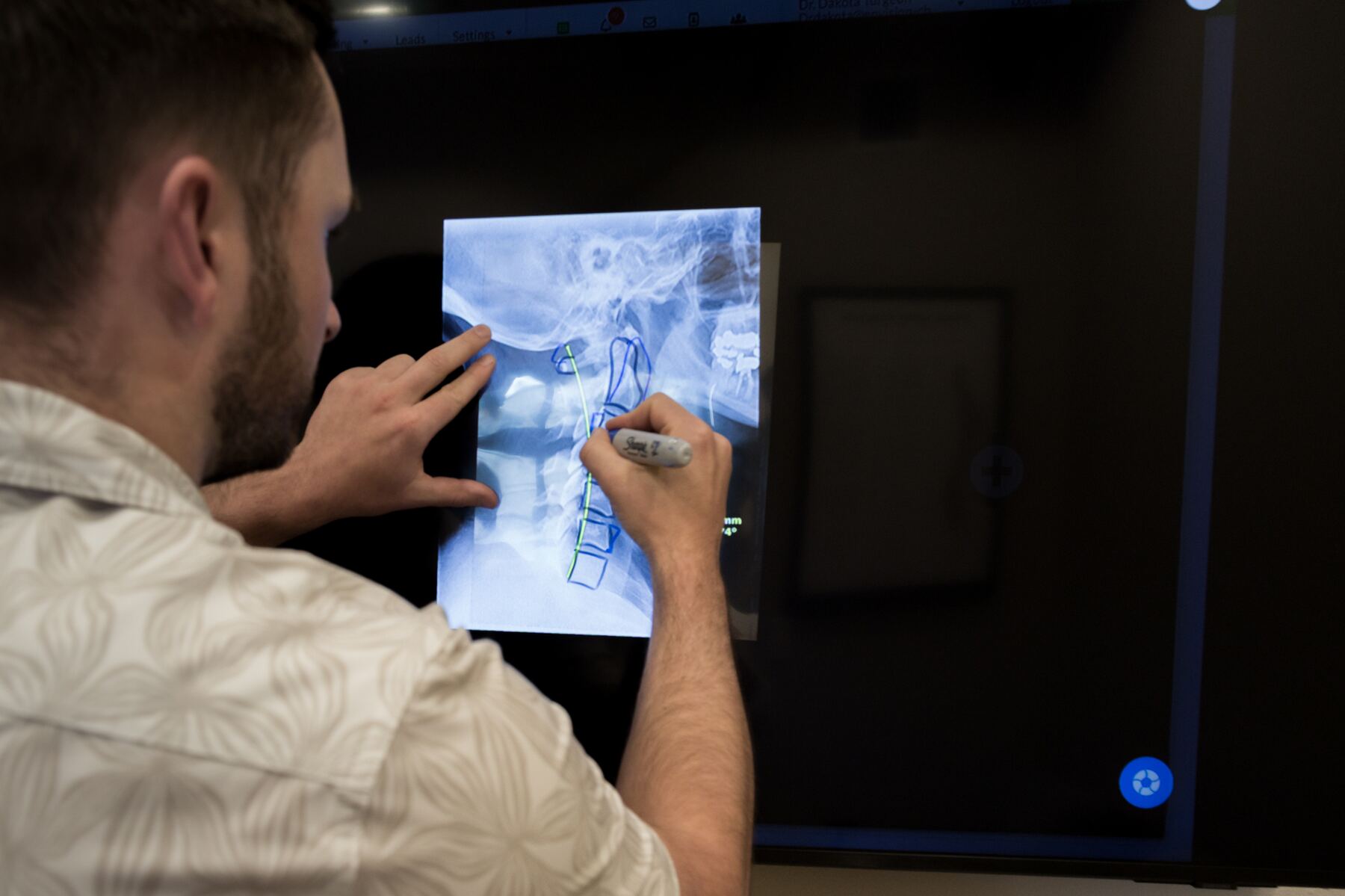
Treating a cervicogenic headache like a migraine — or a migraine like simple tension — is why so many people never get relief. The common thread across all three, though, is that the neck is frequently involved, which is why a thorough cervical assessment is part of how we approach every headache patient.
Not Sure Which You Have?
That's exactly what your first visit sorts out. We identify your headache type and build the right plan for it. Start with a $47 first visit, or read more on our headache relief page. We help headache patients across Bellingham, Lynden, and Ferndale.